
Comprehensive autism (ASD) assessment
For 12 months through adulthood
Autism looks different in every person. Some children are diagnosed as toddlers. Others reach adulthood before anyone puts the pieces together. Our job is to understand the person in front of us, not to check boxes.
A full autism assessment at Fair Winds looks carefully at social communication, play, sensory experiences and behavior. Just as importantly, it looks at what else may be going on, like ADHD, anxiety, language or learning differences, so you leave with a clear picture and a plan.
For more answers to common questions, see Autism questions, answered.
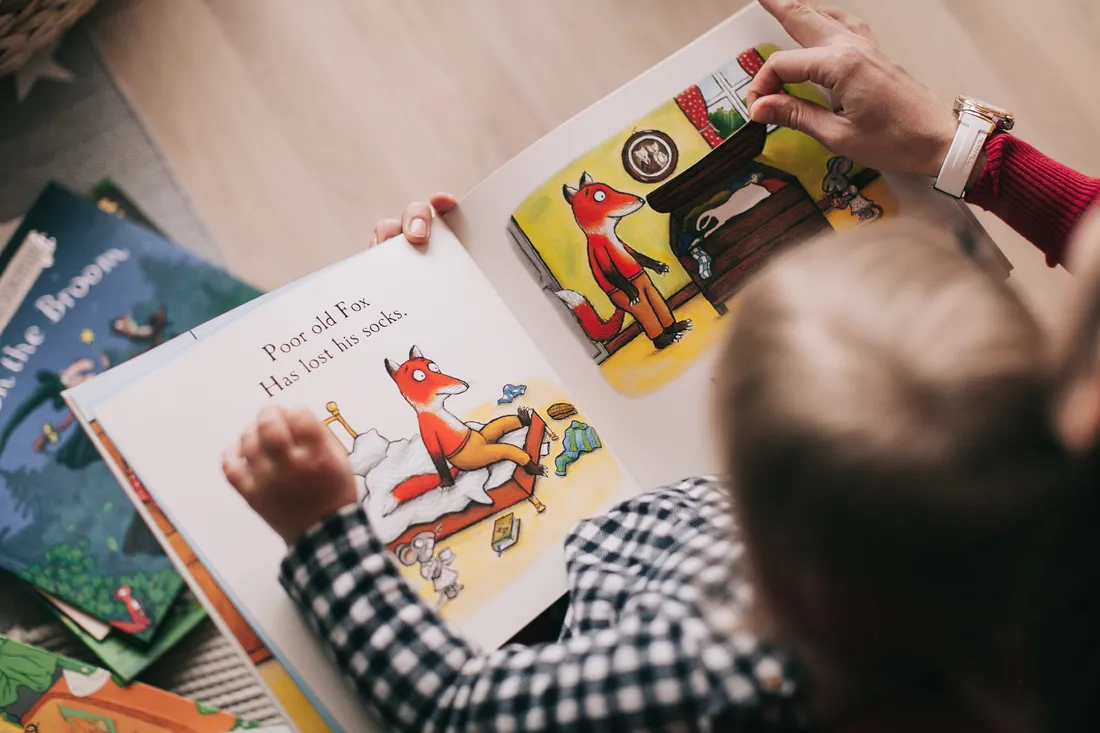
You might be noticing
- Fewer words, gestures or pointing than other children the same age
- Not responding to their name, or seeming to be in their own world
- Strong distress over small changes in routine
- Repeated movements, phrases or very focused interests
- Big reactions to sounds, textures, lights or crowds
- As a teen or adult, feeling like social rules were never explained to you
What a full assessment includes
The exact steps depend on age and the questions being asked. Your provider will walk you through the plan before testing begins.
- 1
Getting to know you
An unhurried intake conversation about your concerns, your child's development and your family's history.
- 2
Observation and play-based testing
Standardized, play-based and conversational activities such as the ADOS-2, matched to age and language level.
- 3
Developmental and caregiver interviews
Structured interviews like the ADI-R give a full picture of early development, not just how someone looks on one day.
- 4
Forms from home, school and others
Parents, teachers and other observers complete rating forms so we see how life looks in every setting.
- 5
Looking at the whole person
Thinking skills, language, adaptive skills, attention, mood and anxiety, so co-occurring conditions are not missed.
- 6
A report you can use
A comprehensive written report, usually 20 to 75 pages depending on the complexity and information needed, plus a sit-down session to walk through every recommendation.
Questions families ask
How young can a child be tested for autism?
We begin evaluating children as early as 12 months. The tools we choose change with each age group so results are as accurate as possible.
Can adults be evaluated for autism?
Yes. Many adults come to us after years of feeling different without knowing why. Adult evaluations look at your history and how things are going now at work, at home and in relationships.
Will the report be accepted by schools?
Our reports are written to be thorough and objective so schools, physicians and agencies can use them. Each organization makes its own decisions, and we are glad to explain the findings to the people who support you.
Wondering what a full evaluation might show?
Every person is different, and so is every evaluation. Tell us what you're noticing and we'll help you decide whether a closer look makes sense.